
Who Do You Trust With Your Dog? What to Look for Before You Hand Over the Leash
From trainers and veterinarians to groomers, sitters, and boarding facilities, choosing someone to care for your dog is personal. The right questions can tell you much more than a list of services or a page full of reviews.
Sources checked: October 4, 2026
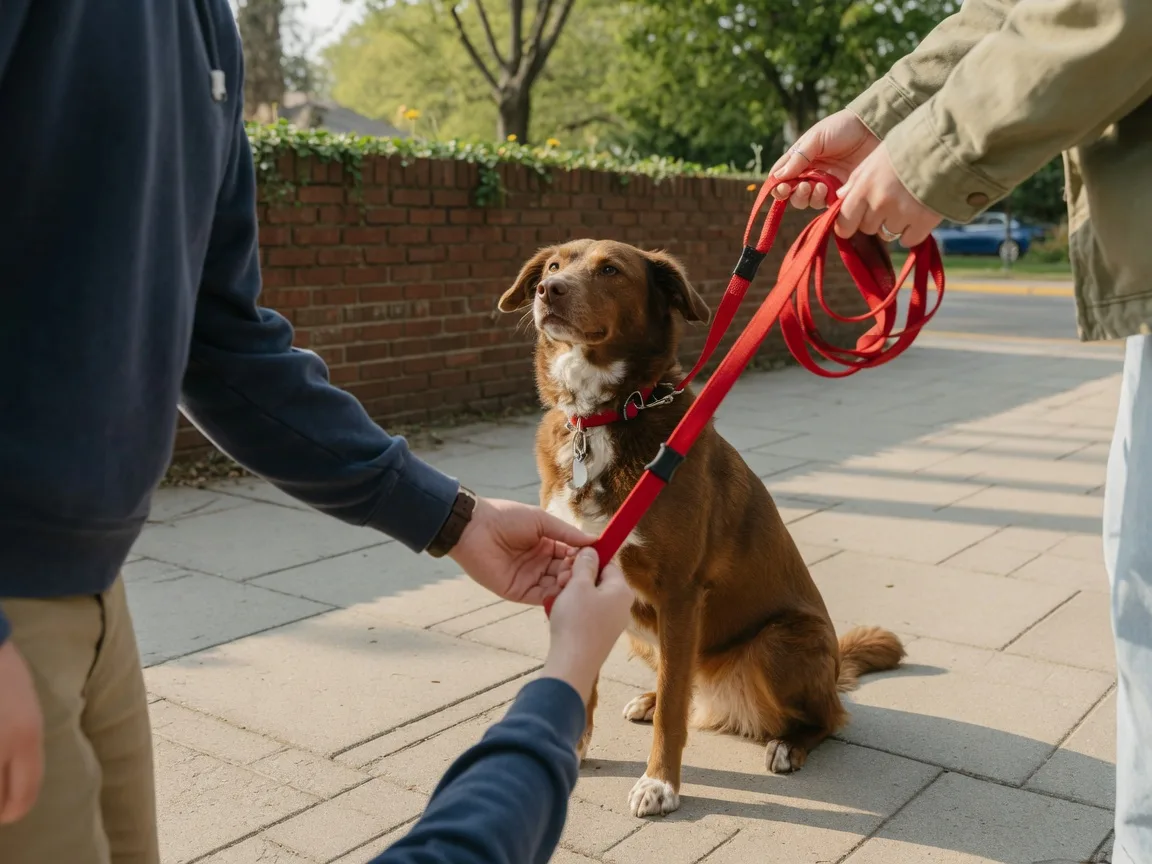
Choosing someone to work on your house is one thing. Choosing someone to care for your dog is different.
You may be handing over a leash, a house key, a grooming appointment, a training problem, or responsibility for your dog while you're hundreds of miles away. Whatever the service, you're trusting another person with a member of your family.
That's why finding the right dog professional isn't simply a matter of searching for the closest provider with good reviews. It's a decision worth thinking through, and the thinking starts before you ever make the first call.
This is the editorial philosophy behind Good Dog Cincinnati's Trusted Resources coverage, and it applies whether you're searching in Cincinnati, Northern Kentucky, or anywhere else. Here's how to think it through.
Start with your dog, not the provider
The first question isn't “Who's the best trainer?” or “What's the best daycare?” It's simpler and more personal: what does my dog actually need?
Age, temperament, health, behavior, routine, comfort around other dogs and people, and the specific reason you're seeking help all shape the answer. A highly social dog who greets every new friend with a wagging tail may thrive in a busy daycare or a lively group class. A dog who finds group environments overwhelming may do far better with quieter, one-on-one care. Neither dog is wrong. They need different arrangements.
The same logic runs through every service. A young, energetic dog may need more exercise than a senior dog. A groomer who is wonderful with calm, patient dogs may not be the best match for a dog who finds handling stressful. A dog with health concerns may need a veterinarian comfortable with those specific needs. A sitter caring for a puppy faces different challenges than one caring for a senior dog.
So be honest with yourself about the reason you're seeking help. Are you looking for basic manners, help with a specific behavior challenge, routine care, or someone to watch your dog while you're away? The clearer you are about the need, the easier it becomes to recognize the right kind of help.
One note: this article is about choosing professionals, not diagnosing dogs. If you have questions about your dog's health or behavior, your veterinarian is the right place to start, and a qualified professional can help you figure out what kind of support makes sense.
Understand what you're actually hiring someone to do
Training, grooming, pet sitting, dog walking, daycare, and boarding are all real services, but the words can describe very different experiences depending on who provides them.
A training package might mean a single private session, a series of group classes, or a multi-week program with homework between sessions. A grooming appointment might include a bath, a brush-out, a haircut, nail care, and ear cleaning, or it might cover only some of those things. Pet sitting can mean anything from a few short visits a day to overnight care in your home. Daycare and boarding can vary widely in how dogs are grouped, supervised, and rested.
Before you commit, understand what the service actually includes: who will provide it, what a typical appointment, visit, day, or stay looks like, what is included versus optional, and what you're expected to provide or do. Some of the most useful questions are the simple ones: “What does a normal day look like for my dog here?” and “What should I bring?”
This isn't about interrogating anyone. It's about making sure you're both talking about the same service before you agree to it. Clarity before commitment saves everyone time, including your dog's.
Experience and credentials matter, but in context
Relevant experience matters, and it's worth asking about directly. A trainer who has spent years with puppies and basic manners may have different experience than one who regularly supports dogs with fear or reactivity. A sitter who has cared for many senior dogs may be a better fit for a dog with special needs. Experience that matches your situation is more useful than experience in general.
Credentials can also provide useful information, especially in fields where professional certification demonstrates education, tested knowledge, experience, or continuing education. If someone lists credentials, it's reasonable to ask what they represent, who issues them, and whether they involve ongoing education or standards of practice.
But credentials are not a universal seal of approval, and no single credential applies to every service. Different dog professions have different credentialing structures: some have well-established certifications, others are regulated differently by state or locality, and others have no standard credential at all. Letters after a name should be understood, not simply counted. A credential is one useful piece of information about a professional. It doesn't tell you whether they're the right match for your particular dog.
That's the philosophy behind Trusted Resources: we aim to provide useful context, not rubber stamps. No one is approved by Good Dog Cincinnati, and no credential we ever mention is a substitute for understanding the person and the service yourself.
Pay attention to the conversation
One of the most useful things you can do before hiring anyone is simply pay attention to the conversation.
Notice not just the answers, but the quality of the exchange. Can the professional clearly explain what they do? Do they ask thoughtful questions about your dog, or does the conversation feel like a sales pitch? Can they explain their approach in language you understand? Are they comfortable discussing costs and policies? Can they explain what happens if plans change, or if your dog becomes uncomfortable, stressed, sick, or injured during the service? And who communicates with you, and how?
A good conversation before you hire someone can reveal a great deal. It shows you how the person thinks, how they'll handle questions once the work begins, and whether you can comfortably talk with them about your dog. You don't need a rigid checklist of questions to fire off. You're looking for a person who can talk about their work in a way that makes sense to you.
And if a professional seems rushed, vague, or unwilling to answer questions before you've committed, that's information too.
Look for someone who knows when the answer is “not me”
Here's a sign of professional judgment that doesn't always get enough credit: knowing when the answer is “not me.”
A professional can be excellent at what they do and still not be the right person for every job. A trainer should not pretend to be a veterinarian. A sitter doesn't need to solve a serious behavior problem. A groomer may recognize that a particular situation needs a different kind of help. Knowing when to refer, stop, ask for help, or say “this isn't my area” is a sign of judgment, not weakness.
This matters because the people who care for dogs are asked to handle an enormous range of situations, and no single professional can be everything to every dog. Knowing those limits—and being honest about them—is one more sign of good professional judgment.
The right choice is the one that makes sense for your dog
So what does a good choice actually look like?
Not necessarily the fanciest facility, the longest résumé, the most credentials, the lowest price, the highest price, or the most five-star reviews. Those things can all be useful information, and reviews are one legitimate piece of the puzzle. But none of them, on its own, tells you whether a professional is right for your dog.
Look instead for a combination: relevant experience, an approach that makes sense for your dog, clear communication, services and policies you understand, good professional judgment, and a sense that the person and your dog are compatible.
And remember that thoughtful selection doesn't require finding a theoretically perfect provider. It requires enough useful information to make a decision you understand and feel comfortable making for your dog. That's the goal, and it's a reasonable one.
Ask Goldie Before You Choose
If you're choosing a specific kind of care, Goldie has gone deeper on the questions that matter for each service. These six answers walk through what to look for and what to ask before you decide.
- How do I choose the right dog trainer? Read Goldie's Answer
- What should I look for when choosing a veterinarian for my dog? Read Goldie's Answer
- How do I choose a groomer for my dog? Read Goldie's Answer
- What should I ask before hiring a dog walker or pet sitter? Read Goldie's Answer
- What should I look for in a dog boarding or daycare facility? Read Goldie's Answer
- What should I ask before hiring any dog professional? Read Goldie's Answer
Sources
The guidance in this article is informed by professional organizations and other authoritative sources. Where standards vary by provider, profession, facility, or jurisdiction, we've said so rather than presenting them as universal.
- CCPDT — How to Choose a Professional Dog Trainer or Behavior Consultant
- AVMA — Finding a Veterinarian
- AVMA — 8 Things You Should Consider When Choosing a Veterinarian
- NAPPS — Hiring a Pet Sitter
- NAPPS — Six Essential Questions to Ask Your Potential Pet Sitter
- AKC — How to Choose the Best Doggy Daycare: Questions to Ask
- AKC — What to Know When Boarding Your Dog and Finding a Kennel
- San Francisco SPCA — Selecting a Boarding Facility
- Animal Humane Society — 4 Types of Questions to Ask a Dog Daycare Before Enrolling Your Dog
Sources checked: October 4, 2026. No review sites, generic SEO listicles, or AI-generated summaries are used as factual sources for this article.