Sometimes the Best Rescue Is Helping a Dog Stay Home
At UCAN, affordable veterinary care isn't only about healthier pets. Sometimes it's what helps keep a family together.
Official information checked: October 3, 2026
There are plenty of ways to help a dog who needs a home.
But what about the dog who already has one?
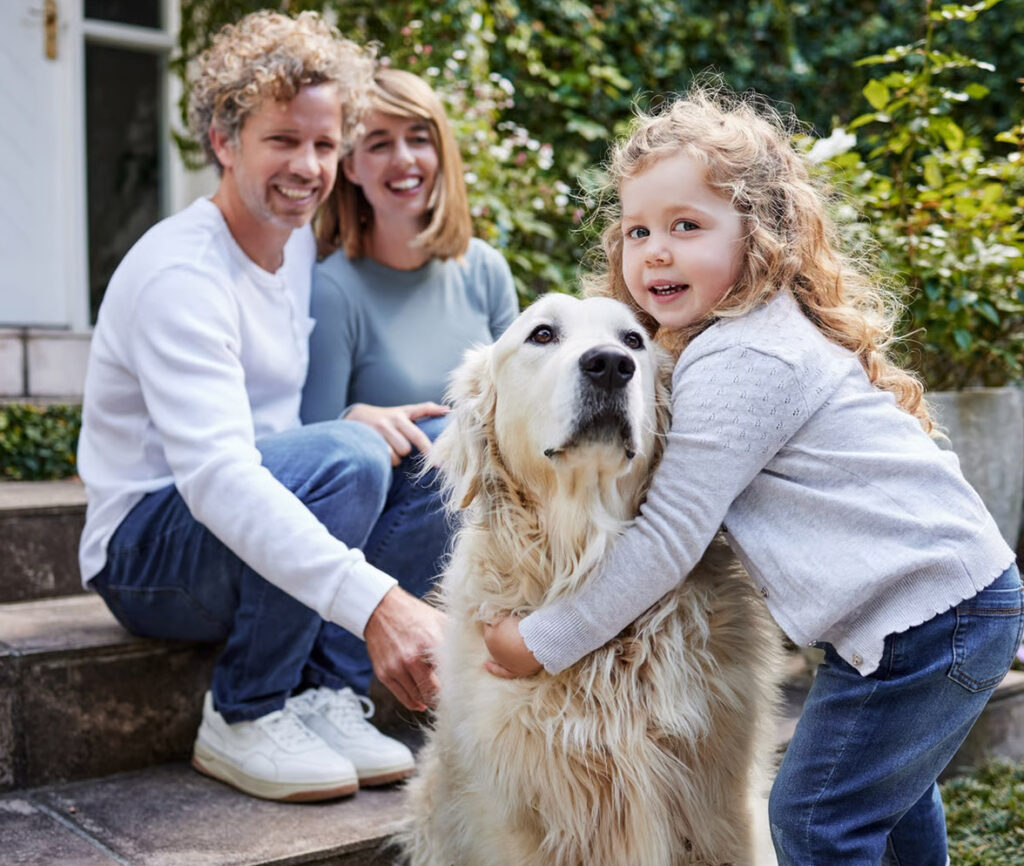
The dog sleeping at the foot of someone's bed. Waiting by the door when the kids come home. Riding along on Saturday errands. Occupying far more of the sofa than anyone remembers agreeing to.
Sometimes that dog's future can be threatened by something surprisingly ordinary: the cost of vaccinations, a spay or neuter surgery, or basic veterinary care that a family simply can't afford at that moment.
That's the part of animal welfare that UCAN — United Coalition for Animals is working on before a dog ever reaches a shelter door.
And it's why UCAN belongs in the Adoption & Rescue conversation.
Sometimes prevention is rescue
UCAN was founded as a nonprofit in 2001 with a straightforward but enormous problem in its sights: too many unwanted dogs and cats were being born, entering shelters, and competing for too few available homes.
Spay and neuter became the organization's way of working upstream.
Rather than waiting for another litter to enter the shelter system, prevent the litter in the first place.
That remains a central part of UCAN's work. The Cincinnati-based nonprofit provides affordable spay/neuter services and works across a 15-county service area encompassing Southwest Ohio, Northern Kentucky, and Southeast Indiana. It also works with shelters and rescue organizations to provide lower-cost services that can help animals become adoption-ready.
But UCAN's mission has grown into something broader.
Its own vision imagines a Greater Cincinnati where families can access affordable basic veterinary care so their pets can remain in their homes.
That's an important expansion of what “rescue” can mean.
Sometimes the dog who needs help isn't homeless yet.
When basic care becomes a big obstacle
For many of us, a vaccination appointment or routine veterinary visit is something we put on the calendar.
For another family, that same expense can arrive at exactly the wrong time.
A lost job. A rent increase. A car repair. A medical bill. A stretch when there simply isn't enough money to cover everything at once.
Basic veterinary care doesn't stop mattering just because the household budget gets tight.
UCAN tries to make some of that care more accessible.
Along with its spay/neuter program, the organization offers lower-cost vaccinations and preventive services. Its income-qualified wellness program provides basic, non-emergency veterinary care for pet owners who meet its eligibility requirements. UCAN says the program is specifically intended to help prevent beloved pets from being surrendered because manageable medical needs become financially out of reach.
That's worth understanding.
Affordable veterinary care isn't merely about saving money on a vet bill.
Sometimes it is shelter prevention.
Keeping the dog can be part of keeping the family together
This is where UCAN's work becomes especially interesting.
A family experiencing homelessness or escaping domestic violence may find temporary shelter or housing that will allow their pet—but only if that animal meets certain vaccination or spay/neuter requirements.
Think about what that means for a moment.
Someone is already navigating one of the hardest periods of their life.
And now there is another question:
What happens to the dog?
UCAN works with local social-service organizations—including YWCA, Found House, ION Center for Violence Prevention, and Talbert House—to help pets belonging to families facing crises receive veterinary services such as vaccinations that may be needed for housing or shelter arrangements.
The veterinary care itself may be routine.
What it makes possible isn't.
A dog can remain with the person who loves them at precisely the time that companionship may matter enormously.
No shelter intake.
No frantic search for somebody willing to take the dog.
No permanent goodbye caused by a temporary crisis.
Sometimes helping a dog stay home means helping the person at the other end of the leash, too.
The shelter story starts before the shelter
It's easy to think about animal rescue primarily in terms of what happens after a dog arrives at a shelter.
Adoption. Fostering. Volunteers. Rescue transfers. Finding the right family.
All of that matters.
But UCAN's work points toward another part of the equation: what can prevent an animal from entering that system in the first place?
Preventing unwanted litters is one answer.
Making basic veterinary care more accessible is another.
Helping a family meet pet requirements during a housing crisis can be another.
UCAN also partners with area shelters and private rescues to provide affordable spay/neuter services for animals preparing for adoption. So its work operates on both sides of the shelter door—helping some animals move toward new homes while helping others remain in the homes they already have.
That's a useful way to think about the larger animal-welfare ecosystem.
The goal isn't simply to become better at finding homes for dogs.
It's also to reduce the number of dogs who need new homes in the first place.
What UCAN does — and what it doesn't
If you're considering UCAN for your own dog, it's important to understand what kind of veterinary provider it is.
UCAN's core services include affordable spay/neuter surgery, vaccinations, microchipping, and other preventive care. It also offers an eligibility-based wellness program providing basic, non-emergency veterinary care.
It is not a replacement for a full-service veterinary hospital or emergency clinic.
UCAN's wellness program does not treat major trauma or emergencies, and it excludes a number of chronic conditions, injuries, and other medical issues from that program.
Services, eligibility, availability, and prices can change, so rather than reproduce a price sheet here that could quickly become outdated, we'll send you to UCAN for the current details.
Explore UCAN's Current Services & PricingWhy it's on Goldie's list
Good Dog Cincinnati's Adoption & Rescue section isn't only about finding dogs to adopt.
It's about the larger network of people and organizations working to give dogs a better chance at stable, healthy lives.
UCAN earns its place in that story because its work tackles several problems before they become bigger ones.
An unwanted litter that never happens.
A preventable illness addressed before it becomes a crisis.
A shelter or rescue dog receiving care needed to move toward adoption.
A family getting enough help to keep the dog they already love.
Those outcomes may look very different from one another.
But they share something important:
One less dog at risk of losing a home.
Ask Goldie Before You Go
Pet food, veterinary expenses, behavior problems, housing changes, and temporary personal crises can all put pressure on the relationship between a dog and the person who loves them. Our Ask Goldie guide explains the kinds of local help that may be available—and why asking early matters.
What resources can help if I'm struggling to keep my dog? Read Goldie's AnswerSources
This story relies on UCAN's current first-party pages for its programs, eligibility, and partnerships:
- UCAN - About Us
- UCAN - Families Need Their Pets
- UCAN - Wellness Appointments
- UCAN - Services & Pricing
Official information checked: October 3, 2026. No third-party directories or generic pet websites are used to establish UCAN's current programs.